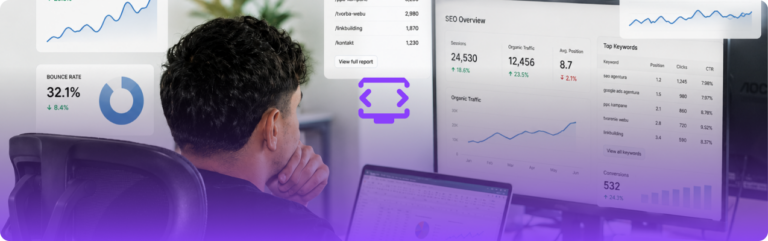
Spam in analytics refers to visits that do not come from genuine prospects and that distort the statistics. This includes automated access by bots and monitoring tools, artificially generated visits from dubious referring sites, and above all the company's own traffic – employees, suppliers and test accesses, which make up a significant share on smaller websites. The consequences are overstated visit counts, a distorted conversion rate and wrong decisions about channels. The solution is to turn on filtering of known bots, exclude internal and supplier addresses, filter out test orders, and verify the source in the referring-sites report whenever there is a suspicious spike. Filters should be set up so that an unfiltered view of the data is also kept, in case of an audit.
See also: Data quality in analytics, Direct traffic, Anomalies and Alerts.